How to Prepare Your Dogs for the Cold Season
Share this post:
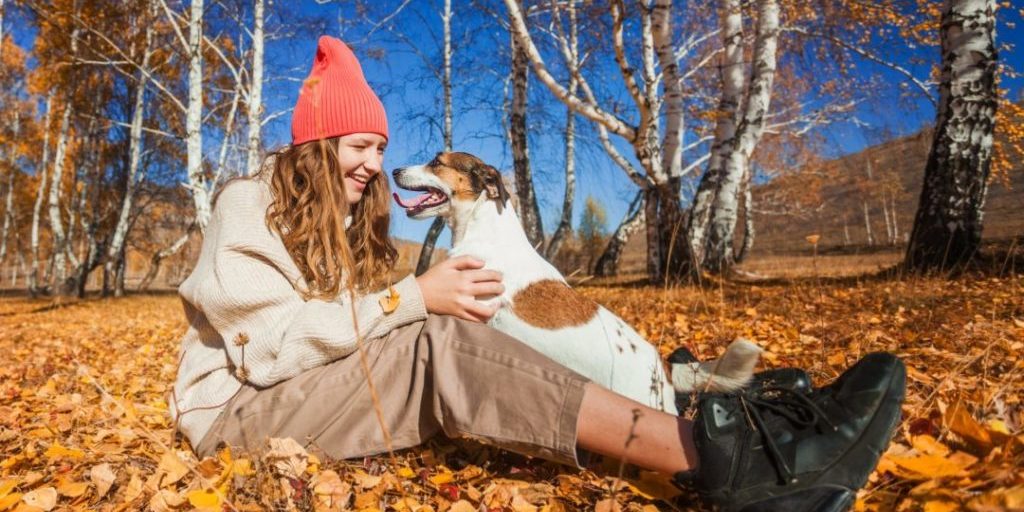
As the leaves start to fall and temperatures drop, we humans know it’s time to bundle up and prepare for the winter season. But what about our furry friends? While some dog breeds are naturally equipped to handle colder climates, all dogs need extra care during winter. Here’s a comprehensive guide on preparing your dogs for the chilly season.
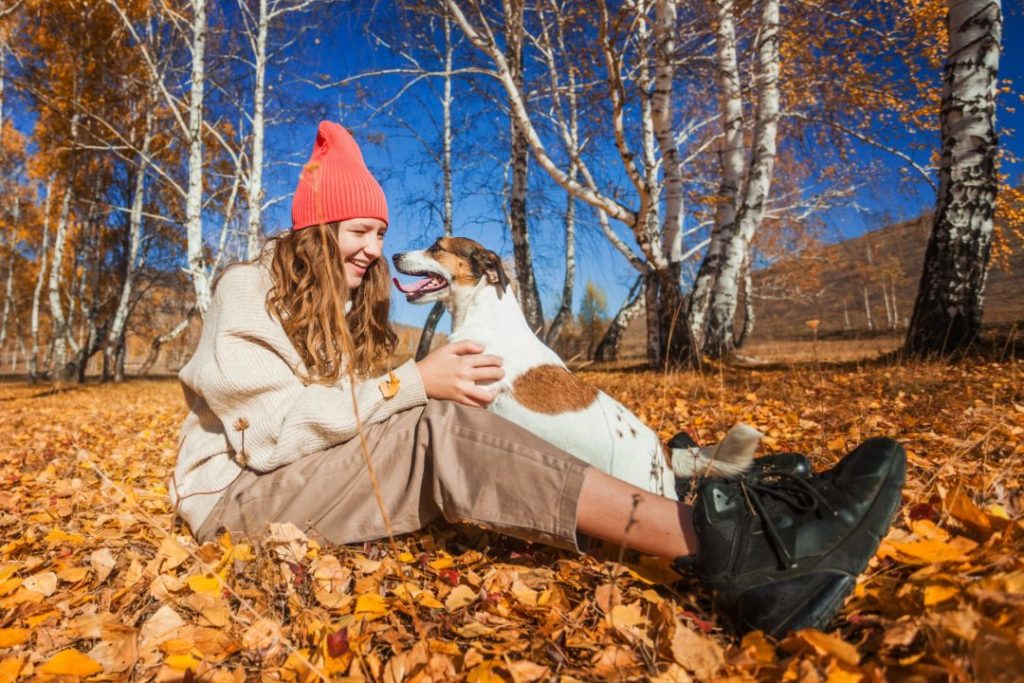
Adjust Food and Water Intake
In winter, dogs may burn more calories to stay warm, particularly if they’re active outdoors. Consider consulting with your vet about possibly increasing their food intake. Also, ensure your dog always has access to fresh, unfrozen water. Investing in a heated water bowl can prevent it from freezing if your dog stays outside for extended periods.
Provide Proper Shelter
If your dog spends a lot of time outside, make sure they have a well-insulated and waterproof dog house. The shelter should be raised a few inches off the ground to protect your dog from the cold ground and wet conditions. However, during extreme cold, all dogs should be brought indoors to ensure their safety.
Protect Their Paws
Ice, snow, and salt can cause damage to your dog’s paw pads. Consider using dog booties for protection during walks. If your dog refuses to wear them, ensure you wash their paws with warm water after each walk to remove any salt or harmful chemicals. Regularly check for cracks or injuries in the paw pads and consider using a pet-safe paw balm.
Keep Them Warm
While some breeds have thick coats designed for cold weather, others have thin coats and can get chilly quickly. Consider a dog sweater or coat, especially for small, elderly, or short-haired dogs. Ensure the clothing is dry, fits properly, and doesn’t restrict their movement.
Maintain Grooming
Regular grooming is essential, even in colder months. A well-groomed coat will better protect your dog from cold weather. However, avoid shaving your dog down to the skin in winter. If your dog’s coat is matted or tangled, it won’t effectively insulate them from the cold.
Beware of Antifreeze
Antifreeze is highly toxic to dogs, yet its sweet taste can be enticing. Always clean up any spills and store antifreeze containers out of your dog’s reach.
Avoid Cold Cars
Just as cars can become dangerously hot in summer, temperatures can drop rapidly in winter, making cars risky for dogs. Never leave your dog unattended in a car during extreme weather.
Keep them Leashed
Snow and ice can mask familiar scents, making it easier for your dog to get lost. Always leash your dog during walks in snowy weather and make sure they wear ID tags.
Regular Vet Check-ups
Cold weather can exacerbate certain medical conditions like arthritis. Regular vet check-ups can help manage these conditions and keep your dog comfortable during winter.
In conclusion, the winter season, while beautiful, can pose several challenges for our canine companions. By taking these necessary precautions, you can ensure your dog stays warm, safe, and happy throughout the chilly months.
Related Articles
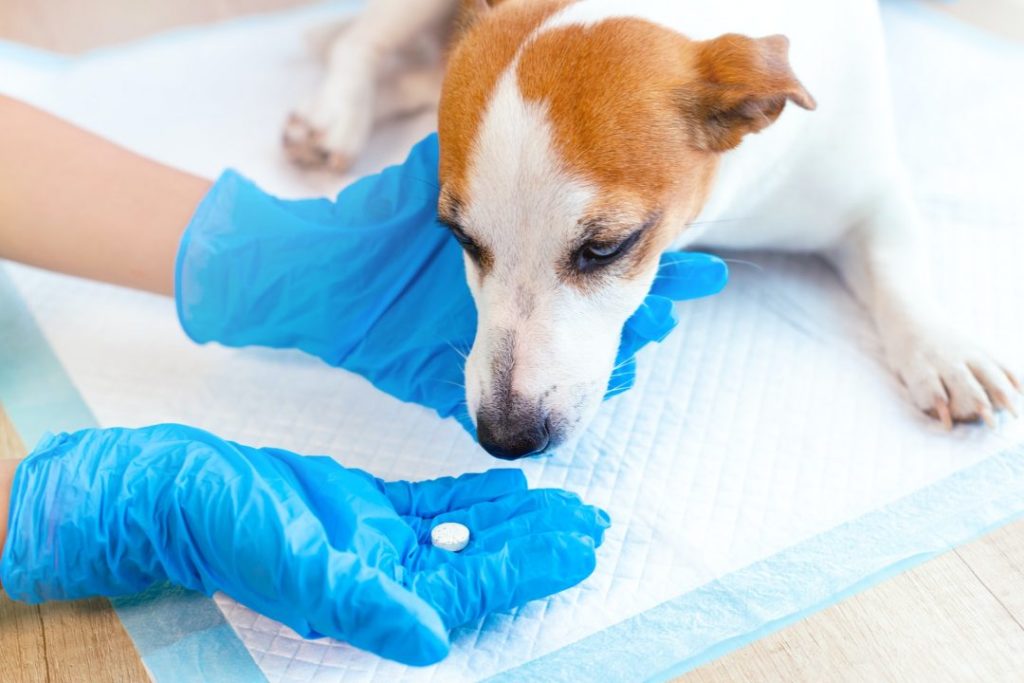
Mastering the Art of Medicating Your Dog
By superwebpros | | Uncategorized